

Choosing the right learning institution can be a daunting task. Luckily, with our guide, the process will be less strenuous. This comprehensive guide will walk you through finding the best school, whether you wish to learn about mathematics or dental hygiene.
The information in this piece discusses different schools and programs and provides tips for narrowing down your search. So, whether you’re looking for a traditional four-year university or something more specialized, read on for helpful advice.
Educational Goals
 First, consider your educational goals. What do you seek to accomplish in your schooling? Do you have a particular career in mind? Are you looking for a more well-rounded education? Once you’ve answered these questions, you’ll better understand what type of institution will suit your needs.
If you’re unsure of what you want to study, that’s okay. Many students enter college without a major in mind. But if you know what you’d like to do after graduation, research programs at different schools. Find out which will give you the best chance of success in your chosen field.
Location
Another essential factor to consider is location. Do you want to stay close to home or venture out? Are you looking for a big city or a smaller town? Consider your lifestyle and needs when making this decision. If you’re unsure where you want to live, try visiting different campuses. Spend some time in the surrounding area to feel for the community. And be sure to ask current students about their experience. They can give you insights that you won’t find anywhere else.
Cost
Of course, one of the most important considerations is cost. How much can you afford to spend on tuition and living expenses? Will you need financial aid or scholarships? Research different schools’ tuition rates and make a budget. Remember to factor in costs like books, transportation, and room and board. And don’t forget about scholarships and financial aid. There are many programs available to help offset the cost of college.
Size
 Another essential factor to consider is the size of the school. Do you want a large university with tens of thousands of students or a smaller college with a few thousand? Each has its advantages and disadvantages. Large schools often have more resources and opportunities available. But they can also be more impersonal. Smaller schools offer a more intimate learning experience but may not have the same resources as a more prominent university.
Choosing the right learning institution is a big decision. But with careful consideration and research, you can find the perfect school for you. Use this guide as a starting point in your search for the best learning institution.
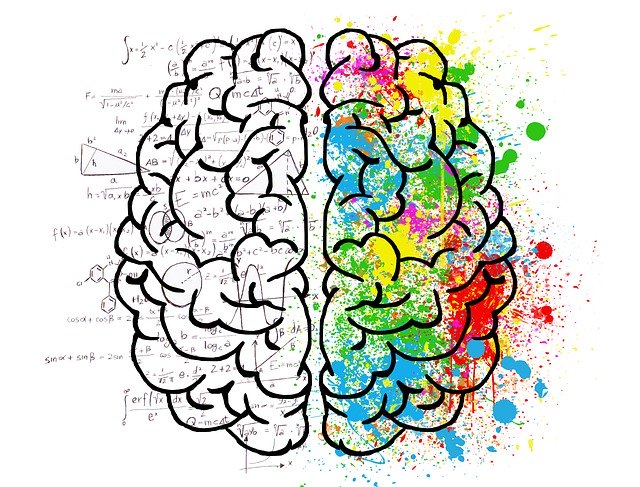
 Research has mentioned that regular aerobic exercises can stimulate the hippocampus helping it to grow. Exercise can stimulate the release of growth factors, which can create new blood vessels and improve brain cells’ health. People that exercise regularly tend to have a stronger medial temporal and prefrontal cortex. These are the memory and controlling-thinking parts of the brain.
 In a recent study, it has been discovered that reading aloud can increase the power of your memory to keep information. It is said that adding an active measure or adding an element to words makes the words more distinctive in long-term memory, making it more memorable and easy to recall.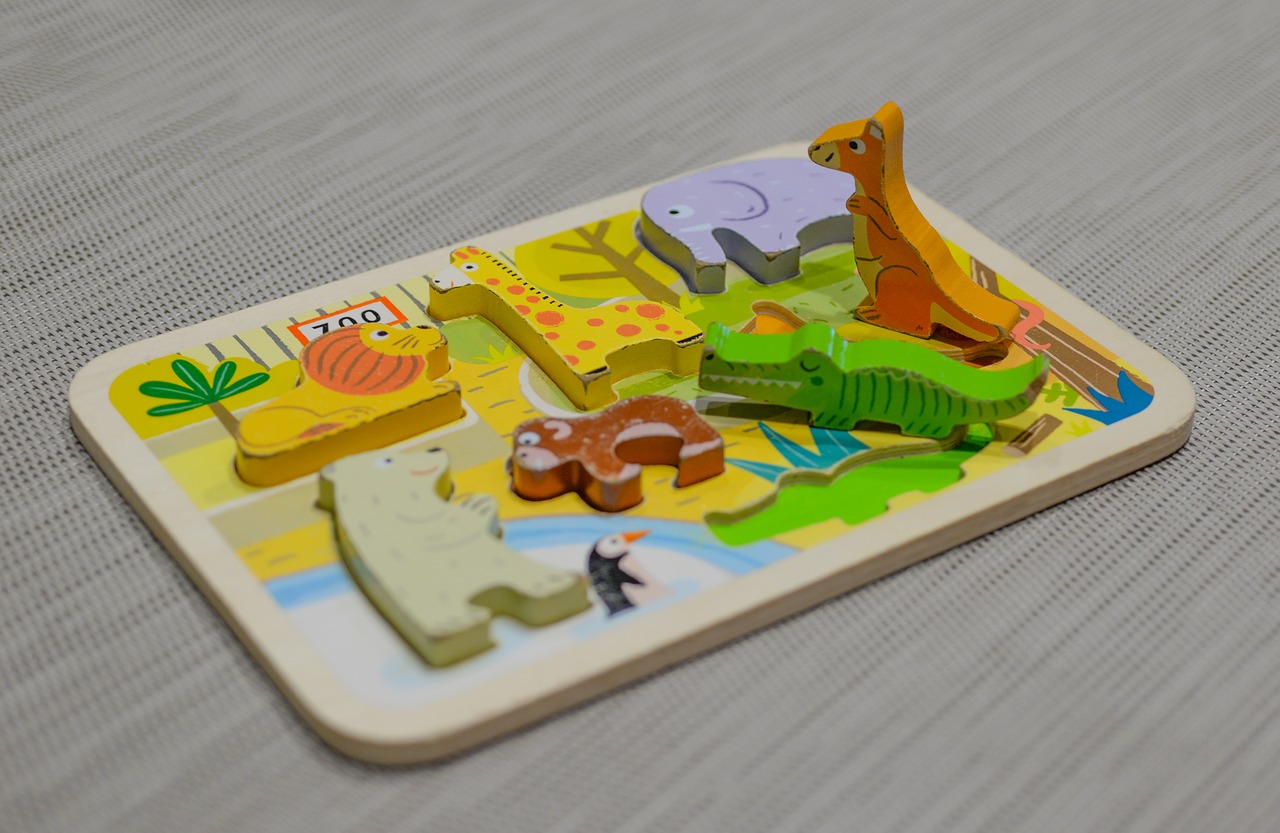
 Educational toys should be designed to teach, promote intellectuality, and contribute to physiological and psychological improvement. An educational toy can teach a child a specific subject or help them develop a particular skill. Children learn that blocks cannot be balanced densely and stack the dice accordingly. Educational toys are designed to promote development towards specific reference points, usually by counting, talking, walking, understanding, and reacting. For example, they may include essential scientific toys.
 Solving a puzzle also requires difficulty in solving and logical thinking. Children are faced with small problems that must be solved to complete the puzzle. For example, when it comes to the last missing pieces of the puzzle, which are all the same color, the child must understand which region it belongs to.